
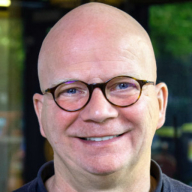
Carsten Halmanseder
Bio
I currently lead the German campaign Will-Kirche-Tierschutz.de (an initiative for animal welfare and plant-based catering in church-run institutions). Our goal is to close a largely overlooked gap in institutional animal advocacy. The leverage is substantial: Christian churches in Germany—through their institutions such as daycare centers, schools, hospitals, and retirement and nursing homes—collectively serve more meals every day than McDonald’s, Burger King, and KFC combined. Accordingly, our guiding principle is clear: phase factory farming out of church-run institutions and bring vegan alternatives in. Engaging with churches as an atheist and animal advocate, I focus on transparent procurement standards, constructive public accountability, and market-based reform. To achieve this, we are developing a Church Animal Welfare Ranking and labeling system while applying targeted campaigning pressure where necessary.
Prior to this, from 2011 to 2022, I served as Head of Campaigns at the Albert Schweitzer Foundation (Albert Schweitzer Stiftung für unsere Mitwelt), where I built the street campaigning team and volunteer management structures, initiated Vegan Taste Week, and led corporate outreach campaigns.
My path into advocacy began in 2005 at the age of 38 following a deliberate pivot: I adopted a vegan lifestyle and became actively involved in animal protection against factory farming and in promoting plant-based nutrition—including as a founding member of Berlin-Vegan, initiator of the Vegan Summer Festival Berlin, and through investigative research and direct animal rescues. Interestingly, my professional background had originally started with a commercial apprenticeship in the specialty sausage wholesale trade, where I gained extensive experience in the sales, marketing, and consumption dynamics of animal products over many years.
How others can help me
- International experience and lessons learned: I would love to connect with advocates or researchers who have worked on similar initiatives in other countries—specifically around reforming food procurement, raising animal welfare standards, or expanding plant-based options in church-run or religious institutions (such as daycare centers, hospitals, nursing homes, or synods). Which strategies and framing worked best in practice?
- Research support in Germany: We are systematically auditing procurement guidelines, synod resolutions, agricultural land-lease policies, and catering standards across all 47 German Protestant regional churches (Landeskirchen) and Catholic dioceses (Bistümer). We welcome detail-oriented volunteers or researchers who can help us locate and evaluate primary documents.
- Funding and philanthropic connections: To scale this overlooked yet high-leverage institutional intervention, we are seeking funding opportunities as well as introductions to foundations or donors interested in supporting Will-Kirche-Tierschutz.de (operated by our registered non-profit campaign4you e. V.).
How I can help others
I am happy to share our practical insights and lessons learned from Will-Kirche-Tierschutz.de—including how to engage religious institutions, systematically audit procurement guidelines and synod resolutions, and combine constructive dialogue with public accountability. Beyond that, I am glad to advise other initiatives based on over a decade of experience in building street campaigning teams, volunteer structures, and corporate outreach campaigns.
Thank you Chris for this great presentation. I think that, for the general public as well as for ambitious individuals, the effort involved (easy, affordable access to food; social acceptance of the diet) remains the decisive factor—assuming that a balanced mixed diet and a vegan diet are roughly equally healthy.
Regarding the effort factor, Martin Balluch has created a graph that very clearly illustrates the role that effort plays in decision-making about dietary habits—especially when it comes to maintaining a particular diet over the long term.
Link: https://martinballuch.com/die-balluch-kurve/